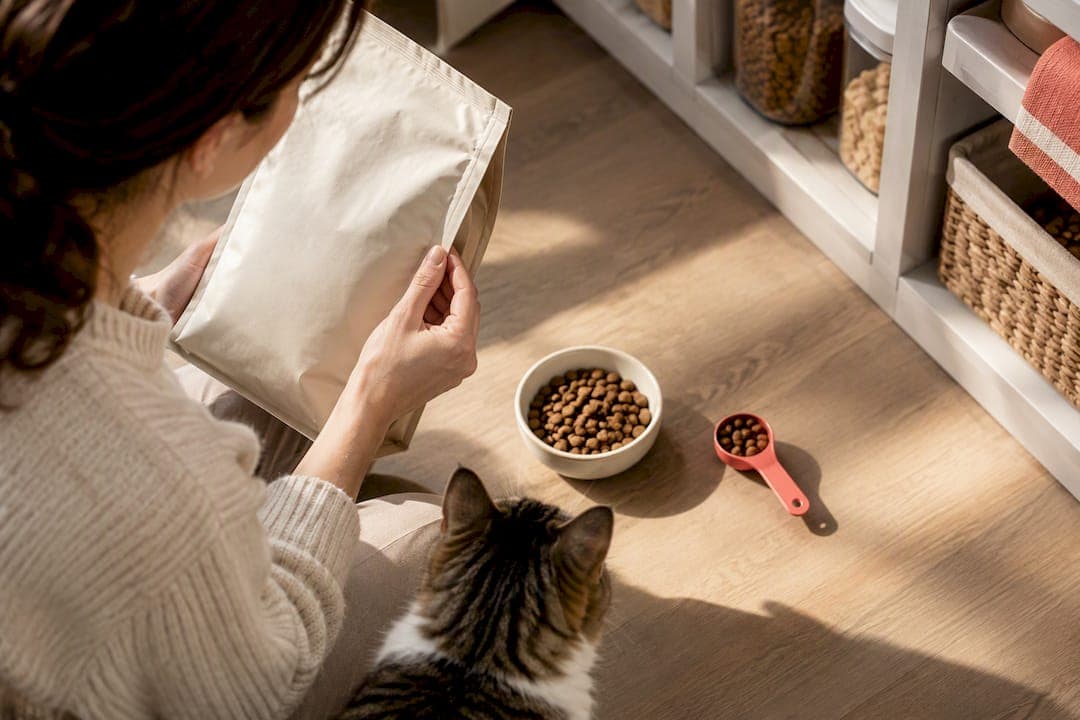
Insect protein cat food is a viable option when the product carries a complete and balanced statement or documented feeding trials, since that's the only real proof a formula covers your cat's amino acid and mineral needs. Watch specifically for methionine, taurine, calcium, and phosphorus levels, since these are the nutrients most often missing in insect-based formulas. Hands-on testing with veterinary input gives owners a practical way to check these claims before buying.
TL;DR:
- Most insect-based cat foods are nutritionally adequate only if they include explicit AAFCO statements or feeding trial claims, as many products fall short on taurine, calcium, and phosphorus.
- Black soldier fly larvae are the most common source in commercial formulations, with mealworm larvae used primarily for treats and specific formulas; ingredient species influence label transparency but not overall nutrition.
- Insect protein diets tested in studies show comparable digestibility to chicken at inclusion rates of 7.5% to 15%, with methionine supplementation frequently required to meet cats' amino acid needs.
- The FDA has issued no-questions letters for dried black soldier fly larvae and larvae oil, confirming ingredient safety when used properly, but quality control at the manufacturer level remains essential.
- Transitioning to insect-based food should be gradual, with attention to nutrient guarantees, and stopping if digestive issues persist, while verified formulas are recommended for kittens and growing cats.
Table of Contents
- What insect protein is and how it's processed
- How to verify a formula is nutritionally complete
- Digestibility, amino acids, and other health considerations
- Safety, regulation, and what quality control should look like
- Choosing and introducing an insect-based food safely
- What Kiblco's hands-on testing adds to the picture
- Where insect protein makes sense and where it doesn't
- Find vetted cat food and health picks on Kiblco
- Sources
- FAQ
What insect protein is and how it's processed
Insect protein in cat food shows up in three main forms: dried insect meal, defatted insect meal, and insect oil. Dried meal is the whole insect, ground and dehydrated, so it carries protein, fat, and chitin together. Defatted meal has had most of the fat removed during processing, which concentrates the protein percentage but also strips out some of the fatty acids a cat would otherwise get from the whole insect. Insect oil is extracted separately and used mainly as an energy and fatty acid source rather than a protein contributor.
The species used matter less than you'd expect for nutrition, but they do show up differently on labels:
- Black soldier fly larvae are the most common source in commercial cat food and the subject of most current regulatory and research activity.
- Mealworm (yellow mealworm) larvae appear in some treats and novel-protein formulas, often marketed for their mild flavor.
- Lesser-used larvae species show up occasionally in niche or limited-ingredient products, usually with less published nutritional data behind them.
Chitin, the fibrous compound in insect exoskeletons, is a structural carbohydrate that behaves somewhat like dietary fiber. Some recent trial data suggests it may have prebiotic-like effects on gut bacteria, though researchers still consider the long-term picture incomplete.
How to verify a formula is nutritionally complete
"Complete and balanced" is a specific regulatory phrase, not a marketing slogan. According to FDA consumer guidance, food earns that label either by meeting AAFCO's published nutrient profiles through laboratory analysis or by passing an AAFCO feeding trial protocol. Either path is acceptable, but a bag with neither claim has not been verified to meet a cat's actual needs, no matter how the ingredient panel reads.

This distinction matters more with insect-based formulas than with conventional ones. An analysis of 29 commercial insect-based pet food products found that only 3% of the products complied with both their own label claims and standard nutritional recommendations. Common shortfalls included selenium, calcium, phosphorus, and taurine, the last of which is a nutrient cats cannot synthesize in sufficient quantity on their own and must get from food. Converting a guaranteed analysis to a dry-matter basis, which strips out moisture content so you can compare foods fairly, often reveals these gaps more clearly than the label's as-fed numbers do.
Before buying, check the bag for:
- An explicit AAFCO nutrient profile statement or a feeding-trial claim, not just "formulated to meet" language without specifying which standard.
- A stated taurine guarantee, since it's rarely required on the guaranteed analysis panel but reputable brands list it anyway.
- Calcium and phosphorus percentages, ideally with a ratio that falls within typical feline requirements.
- A life-stage statement (growth, maintenance, or all life stages) so you know the formula was evaluated for your cat's actual situation.
For a deeper walkthrough of what these AAFCO statements mean in practice, see Kiblco's guide to AAFCO standards, and for taurine specifically, this breakdown of feline taurine needs covers deficiency signs worth knowing.
Digestibility, amino acids, and other health considerations
The strongest evidence for insect protein in cat food comes from controlled feeding trials, not marketing copy. Peer-reviewed research found that diets containing 7.5% to 15% insect meal produced digestibility and fecal scores comparable to chicken-based diets in adult cats over the trial period. A separate 2025 trial tested the same inclusion range and reported no differences in macronutrient digestibility or in blood and fecal safety markers.
That's reassuring at modest inclusion levels, but a few caveats deserve attention:
- Methionine is frequently the first-limiting amino acid in black soldier fly larvae protein, meaning a formula needs deliberate supplementation to meet a cat's requirement, not just a high overall protein percentage.
- Chitin may support gut bacteria in a prebiotic-like way, though researchers still don't know the ideal inclusion rate or the long-term metabolic effects.
- Palatability varies by brand and processing method, so a cat that readily eats one insect-based formula may reject another.
- Hypoallergenic claims for novel proteins are plausible in theory, since a cat is less likely to have prior exposure to insect protein, but they aren't a guarantee against all food sensitivities.
Pro Tip: Introduce any insect-based food at a low inclusion percentage first, and don't assume "novel protein" alone means hypoallergenic unless the brand backs it with digestibility or allergy testing.
Safety, regulation, and what quality control should look like
The clearest regulatory signal for insect protein in cat food comes from the FDA Center for Veterinary Medicine's response to GRAS notices. The agency issued a "no questions" letter for dried black soldier fly larvae, concluding it had no questions at this time about its use as a protein and fat source for cats and dogs across all life stages when used according to good feeding practices. A similar letter covers black soldier fly larvae oil as an energy source.
A "no questions" letter is a meaningful checkpoint, but it evaluates the ingredient, not any specific finished product. That distinction means owners still need to look for manufacturer-level quality control, including:
- Documentation of what the insects were raised on, since feedstock quality affects contaminant risk.
- Batch testing for heavy metals and microbial contamination.
- Clear recall history and a manufacturer contact you can actually reach with questions.
- Consistency between what's on the label and what independent nutrient testing would show.
A GRAS letter tells you the ingredient itself has cleared a safety review. It does not tell you whether the finished bag on the shelf was formulated and tested correctly, which is why label verification still carries the real weight.
Choosing and introducing an insect-based food safely
Run through this before buying, and again before switching:
- Confirm a complete and balanced statement tied to AAFCO nutrient profiles or a feeding trial, not vague "premium formula" language.
- Check for taurine and essential amino acid guarantees, plus calcium and phosphorus percentages appropriate for the life stage listed.
- Look for ingredient specificity, such as naming black soldier fly larvae directly rather than a generic "insect protein" blend.
- Watch for red flags: no life-stage statement, no batch testing mentioned, or a "novel protein" claim with nothing to back it up.
- Transition gradually over 7 to 10 days, mixing increasing amounts of the new food with the old.
- Monitor stool quality and body condition weekly during the switch, and note any drop in appetite.
Pro Tip: If loose stool or vomiting shows up during the transition and doesn't resolve within a few days, slow the swap down and check in with your vet rather than pushing through. If digestive upset lingers, Kiblco's guide to probiotics for sensitive stomachs covers supportive options worth discussing with your vet.
What Kiblco's hands-on testing adds to the picture
Reviewers evaluate insect-based products the way pet parents actually use them: checking palatability over repeated meals, reading packaging for missing nutrient statements, and cross-checking health claims with veterinary input. That combination surfaces gaps that a label alone won't show, like inconsistent acceptance across cats or vague sourcing language. Kiblco's insect protein coverage for dogs walks through the same testing approach applied to canine formulas.

Where insect protein makes sense and where it doesn't
Insect protein sits at an honest trade-off: it's a genuinely lower-impact ingredient, but sustainability doesn't substitute for a verified nutrient profile. I'd consider it for adult cats in novel-protein elimination trials or for owners prioritizing environmental impact, provided the bag names a feeding trial or AAFCO profile. I'd avoid it for growing kittens unless the specific formula has documented life-stage testing behind it.
— Chris
Find vetted cat food and health picks on Kiblco
Choosing a new protein source shouldn't mean guessing at a label. Kiblco's cat health category rounds up vet-informed reviews built from real feeding trials in real homes, so you can compare specific products rather than starting from scratch.

Browse Kiblco's full cat coverage for reviews that call out exactly what's missing from a label before you buy.
Sources
The FDA's no-questions letter on dried black soldier fly larvae confirms the ingredient's regulatory status. Feeding trial data comes from peer-reviewed digestibility research and a related Frontiers trial. Label standards are explained in FDA guidance on complete and balanced labeling, and nutrient shortfall data comes from an industry analysis of 29 commercial products. Owners weighing the cost of specialty diets against a fixed budget may also find this pet care cost guide useful for planning ahead.
- Insect-based pet foods may be nutrient-deficient, contain other animals
- Insect meals in cat diets and their effects on digestibility, physiology, and gut microbiota
- Complete and balanced pet food — FDA consumer guidance
FAQ
Is insect protein the same as animal protein?
Insect protein is a form of animal protein, since insects are animals, but its amino acid profile differs from mammalian or poultry protein sources. Methionine tends to run lower in black soldier fly larvae protein specifically, which is why formulation and supplementation matter more than the ingredient category alone.
What foods contain insect protein?
Insect protein appears mainly in specialty cat and dog foods and treats, most often as dried black soldier fly larvae meal, defatted meal, or larvae oil. It also shows up in some mealworm-based treats marketed as novel-protein or limited-ingredient options.
How healthy is insect protein?
Insect protein can be healthy for cats when a formula is complete and balanced or backed by feeding trials, since controlled research found comparable digestibility to chicken-based diets at inclusion rates up to 15%. Without that verification, some commercial products have shown gaps in taurine, calcium, phosphorus, and selenium.
What is insect-based protein called?
Insect-based protein in pet food labeling is typically listed by species, most commonly "black soldier fly larvae meal," "dried black soldier fly larvae," or "insect meal." Some brands also use "insect protein" as a general ingredient category name on marketing materials, though the label itself should specify the species.