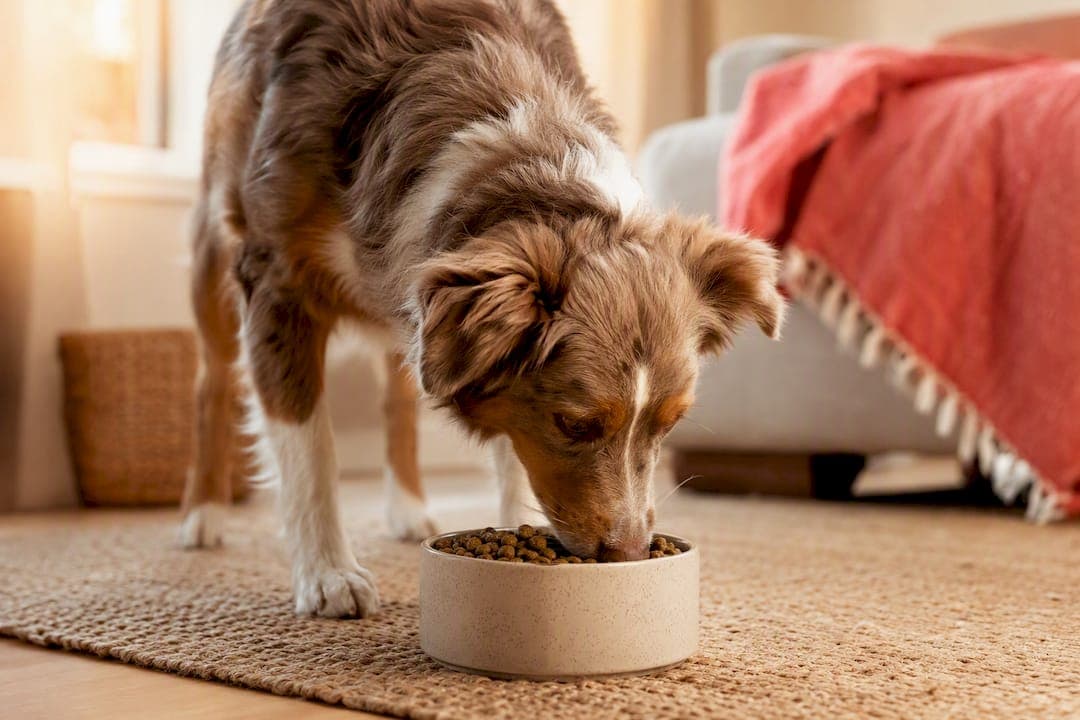
Yes. Insect protein can be a nutritionally sound, hypoallergenic, and more sustainable choice for many dogs. Black soldier fly larvae deliver 35% to 50% protein by dry weight with a full essential amino acid profile, and insect farming produces 75% to 95% less CO2 than raising cattle or poultry.
- Good fit: dogs with food sensitivities to chicken, beef, or fish, and owners who want a lighter environmental footprint.
- Check with your vet first: dogs with existing GI disease, suspected insect allergies, or those on prescription diets.
Key Takeaways
Insect protein dog food delivers competitive protein levels, gut-supporting chitin, and a dramatically smaller carbon footprint compared with conventional meat-based kibble.
| Point | Details |
|---|---|
| Protein quality is real | BSFL meal provides 35% to 50% protein by dry weight with a complete amino acid profile. |
| Sustainability gains are substantial | Insect farming cuts CO2 output by roughly 75% to 95% versus conventional livestock. |
| Chitin supports gut health | It functions like a fiber and may inhibit harmful bacteria such as Clostridium perfringens. |
| Quality control matters most | Demand substrate traceability, third-party testing, and a published Certificate of Analysis. |
| Transition slowly | Use a 7-day mix schedule and watch stool, coat, and energy for signs of a problem. |
Table of Contents
- What "Insect Protein Dog Food" Actually Means
- Why Nutritionists Are Taking Insect Protein Seriously
- How Much Smaller Is the Environmental Footprint?
- Are There Safety Risks With Insect-Based Formulas?
- A Practical Checklist Before You Buy
- How to Switch Your Dog to Insect Protein Safely
- What Forms Does Insect Dog Food Actually Come In?
- How Kiblco Tests Insect-Based Dog Foods
- Where the Conventional Advice Falls Short
- Sources
What "Insect Protein Dog Food" Actually Means
"Insect protein dog food" isn't one ingredient. It's a category, and three insects dominate it: black soldier fly larvae (BSFL), crickets, and mealworms. Each shows up in a different processed form depending on what the recipe needs.
- BSFL (black soldier fly larvae): usually processed into a defatted meal or larvae oil; the meal concentrates protein while the oil adds fat and omega fatty acids separately.
- Crickets: typically ground into cricket flour or protein powder, prized for a clean amino acid profile and used in treats as often as kibble.
- Mealworms: often dried whole or milled into meal, common in treats and limited-ingredient recipes.
Processing changes the math. A defatted BSFL meal can push protein concentration higher while cutting fat, which matters for weight management. When you read a label, look for the specific species name (not just "insect meal") and note where it sits in the ingredient list. Higher on the list generally means more of that insect by weight, the same rule that applies to chicken or beef.
Why Nutritionists Are Taking Insect Protein Seriously
The nutrition case holds up under scrutiny. BSFL provide 35% to 50% protein on a dry-weight basis, putting them in the same range as many conventional meat meals, and they carry a complete essential amino acid profile including lysine, a building block dogs can't produce on their own.
Then there's chitin, the fibrous material in insect exoskeletons that most owners have never heard of. Research shows chitin behaves like a functional fiber in the gut, and it has been linked to inhibiting growth of harmful bacteria such as Clostridium perfringens in dogs. That's a prebiotic-like effect most traditional meat proteins simply don't offer.
- Novel protein source, unlikely to trigger reactions in dogs already sensitized to chicken or beef.
- Biological value comparable to common meat proteins, according to industry nutrition experts.
- Chitin may support a healthier gut microbiome alongside standard digestion.
For a dog with chronic ear infections or itchy paws tied to an undiagnosed food sensitivity, switching to a protein source the immune system has never seen before is often the first real diagnostic step.
How Much Smaller Is the Environmental Footprint?
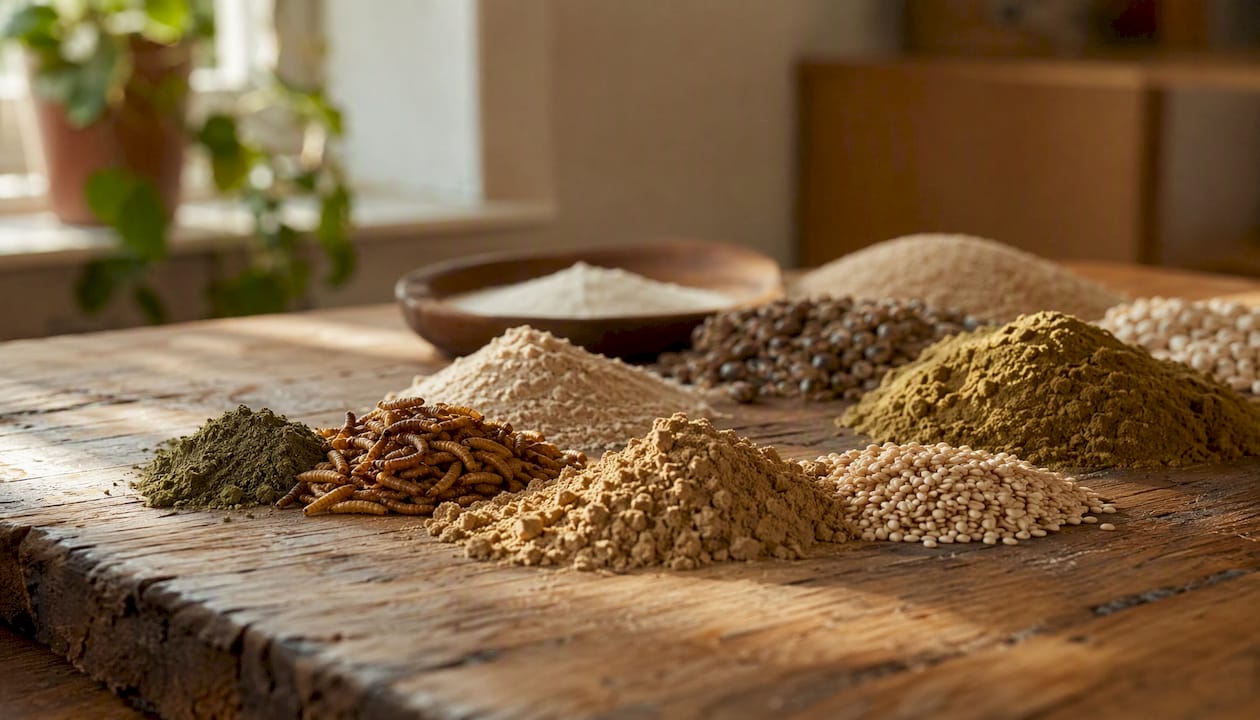
The sustainability numbers are the real headline here. Insect farming produces roughly 75% to 95% less CO2 than conventional livestock, and it uses dramatically less water and land per pound of protein produced.
The reason comes down to feed conversion. Black soldier fly larvae turn organic waste, think spent grain or vegetable scraps, into body mass far more efficiently than a cow turns pasture grass into muscle. Insects also don't need heated barns, don't require the same volume of water, and reproduce fast enough that farms can scale production in weeks, not years.
- Cattle need vastly more land and water per pound of protein than insect farms.
- BSFL larvae can be raised on food byproducts, cutting waste going to landfills.
- A 30 pound bag of insect kibble represents a meaningfully smaller carbon footprint than the same bag made from beef.
Choosing an insect-based formula doesn't just change what's in the bowl. It shrinks the resource cost sitting behind every scoop.
Are There Safety Risks With Insect-Based Formulas?

Insect protein isn't automatically safer just because it sounds novel. The real risks are microbial contamination, mycotoxins, heavy metal accumulation tied to whatever substrate the insects were raised on, and inconsistent nutrient profiles between batches when quality control is loose.
Reputable manufacturers manage this with a specific set of practices:
- Substrate traceability. Know what the insects were fed. Poor substrate choices are the leading cause of heavy metal buildup in insect meal.
- Third-party lab testing. Independent labs, not the manufacturer's own quality team, should screen for heavy metals, mycotoxins, and bacterial contamination.
- Published Certificates of Analysis (CoA). Brands should make CoAs available on request or online, confirming the label matches what's actually in the bag.
- AAFCO recognition. Certain insect ingredients, including BSFL, already carry AAFCO approval for use in adult dog food and treats, a sign the regulatory groundwork exists.
Pro Tip: Email the manufacturer and ask for their most recent CoA before you buy. A brand that hesitates or can't produce one is telling you something.
A Practical Checklist Before You Buy
Shopping for insect-based dog food gets easier once you know what to scan for on the label. Run through this list before adding anything to your cart:
- Does the label name a specific insect species (BSFL, cricket, mealworm), not a vague "insect meal"?
- Does it include a full guaranteed analysis with protein, fat, fiber, and moisture percentages?
- Is there an AAFCO statement confirming the food is complete and balanced for your dog's life stage?
- Can you find or request a Certificate of Analysis?
- Are added vitamins and minerals listed, since insect meal alone doesn't cover every micronutrient a dog needs?
- Do the protein and fat percentages match your dog's life stage, puppy, adult, or senior?
This category tends to work best for two groups: dogs with diagnosed or suspected food sensitivities, and owners who've decided sustainability matters as much as nutrition when they're standing in the pet food aisle.
- Buy the smallest bag available first, or a sample pack if the brand offers one.
- Try insect-based treats before committing to a full bag of kibble; it's a cheap way to test acceptance.
- Compare price per pound against your current food. Insect protein often costs more, but the gap has been narrowing as production scales.
How to Switch Your Dog to Insect Protein Safely
Don't dump a new food into the bowl overnight. A gradual transition protects the gut and gives you a clean read on how your dog is actually responding.
- Days 1 to 2: Mix 25% new food with 75% current food.
- Days 3 to 4: Move to a 50/50 blend.
- Days 5 to 6: Shift to 75% new food, 25% old.
- Day 7 onward: Switch to 100% insect-based food if everything looks normal.
Watch stool consistency, coat quality, energy levels, and any new itchiness or scratching throughout the week. Firm stool, a steady appetite, and a calm coat are good signs. Loose stool that persists past day three, vomiting, or new itching are reasons to slow the transition or pause it entirely. If symptoms don't resolve within 48 hours of backing off, call your veterinarian before pushing forward again.
What Forms Does Insect Dog Food Actually Come In?
Insect protein shows up in more formats than most owners expect. Dry kibble is the most common, usually blending BSFL meal with a starch source. Wet food and stews use insect protein less often but do exist, typically paired with vegetables. Toppers and freeze-dried mixers let you add insect protein to food your dog already eats without a full switch, and treats, often cricket or mealworm based, are usually the easiest entry point for skeptical dogs or picky eaters.
- Kibble: most widely available, easiest for full diet transitions.
- Toppers and mixers: lowest commitment way to test acceptance.
- Treats: best starting point for palatability trials.
Specialty online retailers and direct brand websites carry the widest selection right now; mainstream pet retailers are catching up but selection still varies by store.
How Kiblco Tests Insect-Based Dog Foods
Kiblco runs every insect-based formula through the same real-pet trial process used across our reviews, informed by veterinary input rather than marketing copy. We check palatability first, because a bag of perfect nutrition numbers means nothing if your dog won't eat it.
- Stool consistency and digestion over the trial period, not just day one.
- Coat and skin changes, especially in dogs with a suspected allergy history.
- Whether the guaranteed analysis on the label actually matches the Certificate of Analysis the brand provides.
Pro Tip: Read the CoA comparison in a Kiblco review before you buy. It tells you whether a brand's marketing claims hold up on paper, not just in the photos.
Where the Conventional Advice Falls Short
Most coverage of insect protein treats it as a novelty, a sustainability gimmick dressed up as dog food. That undersells the science. The amino acid profile in BSFL meal is genuinely competitive, and the chitin research on gut health is more substantive than most pet owners realize.
Where the conventional advice actually fails owners is on quality control. Plenty of articles list the benefits and stop there, skipping the substrate question entirely. What an insect was fed before it became meal matters as much as what protein percentage ends up on the bag. A brand that won't show you a Certificate of Analysis is asking you to trust a black box.
My honest take: insect protein isn't a cure-all, and it's not right for every dog. But for a dog with an unresolved chicken or beef sensitivity, it's one of the more promising novel proteins available today. Start with treats, watch the transition closely, and treat the CoA request as non-negotiable before you commit to a full bag.
— Chris
Ready to find a specific insect-based formula that's already passed real-pet trials? Kiblco reviews trending pet products with vet-informed testing and transparent pros and cons, so you're not guessing which bag actually delivers what the label promises.
Sources
- Insect protein nutritional studies (PMC)
- The buzz on insect-based pet food: a new hypoallergenic protein source? (dvm360)
- Survey on nutritional labeling accuracy of insect-based pet food (Food Authenticity)