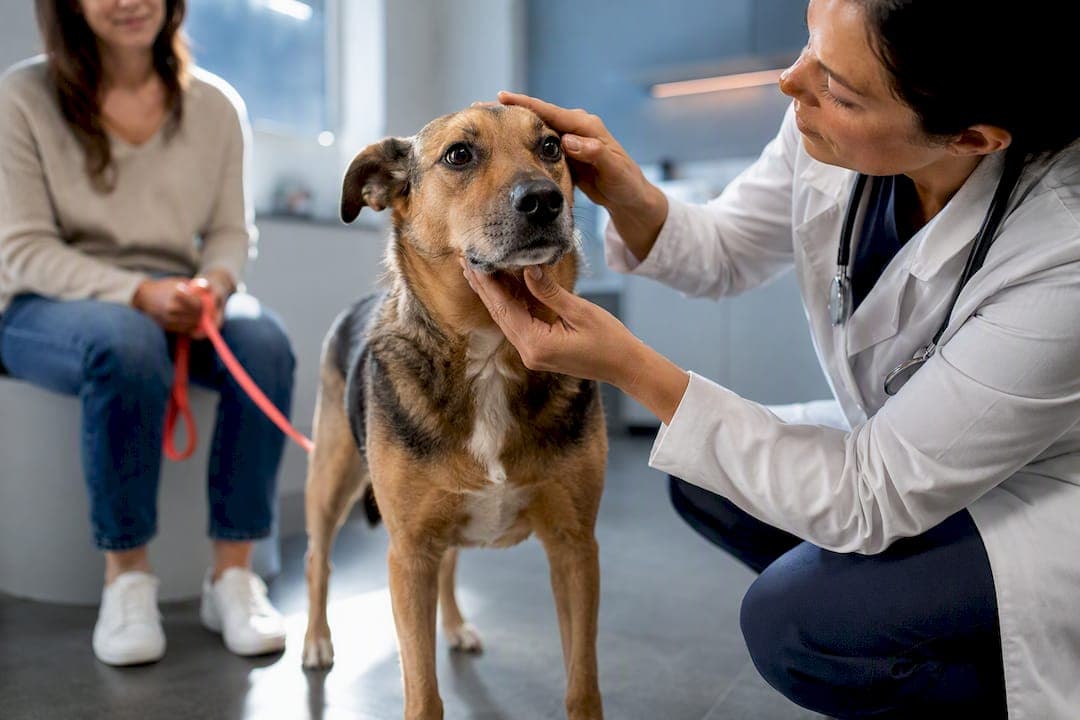
Melatonin can be a safe, useful tool for certain dogs, especially for situational anxiety, some sleep problems, and certain hair-loss conditions, when your vet has weighed in on the dose. Skip gummies (xylitol risk) and sustained-release tablets, and check for drug interactions before you start. Talk to your veterinarian first, especially if your dog is pregnant, nursing, or on other medications.
TL;DR:
- Dosing should be tailored based on weight, typically around 0.3 to 0.5 mg per kilogram, with common starting points being 3 mg for small dogs and 6 mg for larger ones.
- Melatonin should be given 1 to 2 hours before stress-inducing events, and response must be monitored over one to two weeks before increasing the dose.
- Use only veterinarian-approved formulations, avoiding gummies with xylitol, sustained-release tablets, or implants to ensure safety and predictable absorption.
- Melatonin's side effects are usually mild but can include drowsiness, stomach upset, or hormonal shifts, especially with long-term or high doses.
- Dogs with health issues, those on certain medications, or breeding dogs require vet consultation before starting melatonin.
Table of Contents
- What Melatonin Does for Dogs and Common Uses
- Dosing and Timing: Practical, Condition-Specific Guidance
- How to Give Melatonin Safely to Your Dog
- Side Effects, Risk Factors, and Drug Interactions to Watch For
- When to See Your Vet and How to Monitor a Melatonin Trial
- What Kiblco Learned Testing Calming Products Alongside Melatonin
- A Cautious, Vet-Guided Take on Melatonin
- Find Vetted Calming Products Through Kiblco
- Sources
What Melatonin Does for Dogs and Common Uses
Melatonin is a hormone that regulates the sleep-wake cycle in dogs the same way it does in people, and it carries mild sedative and anti-anxiety effects on top of that. That dual action is why it shows up so often in conversations about dog anxiety remedies and natural sleep solutions for dogs.
Veterinarians most commonly recommend it for a handful of situations. VCA Animal Hospitals lists sleep and behavior disorders along with non-allergic hair loss (alopecia) as the two biggest off-label uses in dogs.
- Situational anxiety, especially noise phobia around thunderstorms, fireworks, or vet visits
- Sleep disruption in senior dogs, particularly those showing signs of cognitive decline
- Certain alopecia conditions where hair fails to regrow on a normal cycle
- Adjunctive antioxidant support in some perioperative protocols
A 2022 review of melatonin's uses in dogs found real potential across these categories, but also mixed results in clinical trials, especially for chronic sleep issues. Response varies a lot by dog. Most vets treat melatonin as one piece of a larger management plan rather than a standalone fix, and that framing matters more than any single dose you'll read online.
Dosing and Timing: Practical, Condition-Specific Guidance
There's no single "right" dose of melatonin for every dog, and that's the biggest source of owner confusion. Older guidance floated flat doses of a few milligrams per dog regardless of size. Newer veterinary sources push back on that approach.
By the Numbers: Some clinical protocols use weight-based dosing around 0.3 to 0.5 mg per kilogram for specific indications, rather than a one-size-fits-all number. A 10-pound dog and an 80-pound dog have very different melatonin needs, even though both might get "6 mg" from an outdated chart.
Some practical reference points do exist. Whole Dog Journal cites common protocols of roughly 3 mg for dogs under 30 pounds and 6 mg for dogs 30 pounds and over, sometimes dosed twice daily depending on the condition being treated. Those numbers work as a starting reference, not a substitute for a vet's input on your specific dog.
Timing matters just as much as the amount. For event-based calming, like a fireworks show or a car ride, melatonin typically kicks in within 1 to 2 hours. That means:
- Give the dose well in advance of the anticipated stressful event, usually about an hour and a half to two hours before it starts.
- For chronic issues (sleep disruption, alopecia), dosing follows a daily schedule rather than an event trigger.
- Reassess after a week or two rather than jumping to a higher dose right away if you don't see results.
Higher doses and long-term daily use call for closer veterinary monitoring. Perioperative antioxidant protocols, for instance, sometimes use around 0.3 mg/kg starting 24 hours before surgery and continuing for two to three days after, under a vet's direction, not as a DIY regimen. If you're using melatonin for dog travel specifically, a single pre-trip dose at the low end of the range is the safer starting point before you consider anything higher.
How to Give Melatonin Safely to Your Dog
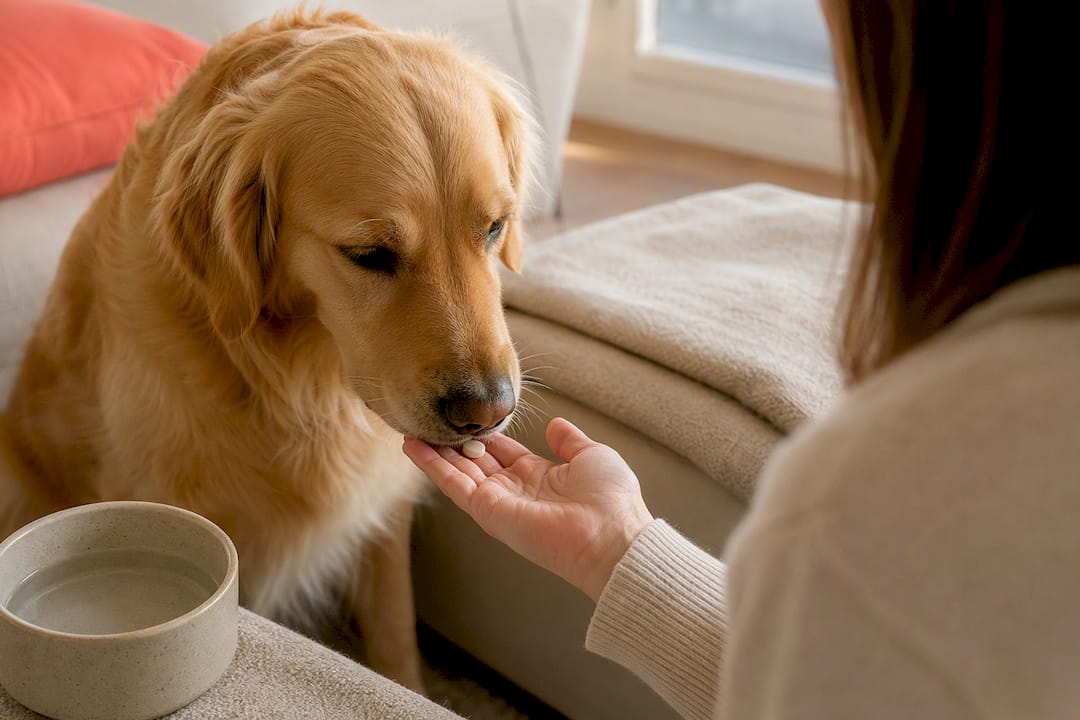
Form matters as much as dose when it comes to melatonin safety. Tablets and capsules give you the most consistent, predictable dosing because you know exactly how many milligrams you're handing over. Liquid formulations work too, as long as you're measuring carefully with a dosing syringe rather than eyeballing a dropper.
What to avoid is just as important as what to use:
- Human gummy melatonin, which often contains xylitol, a sweetener that's toxic to dogs even in small amounts, according to the Sleep Foundation.
- Sustained-release or time-release tablets, since dogs absorb and metabolize these differently than humans do, which can lead to unpredictable blood levels.
- Melatonin implants, which some breeders use for other purposes, require direct veterinary oversight and are not recommended for at-home use.
For administration, pill pockets or a small piece of soft food usually get the job done without a fight. Splitting tablets is fine if you can do it accurately (a pill cutter helps), but don't eyeball a 3 mg tablet down to a guessed 1 mg dose for a small dog.
Pro Tip: Always check the ingredient label on any melatonin product, even ones marketed for pets. Some contain added flavorings or fillers that aren't dog-safe, and label quality varies a lot between brands.
Side Effects, Risk Factors, and Drug Interactions to Watch For
Melatonin has a solid safety margin for most healthy dogs, but it isn't risk-free. The most common side effects are mild: drowsiness and occasional stomach upset, usually resolving within a day.
Less common but worth knowing about, prolonged or high-dose use has been associated with shifts in reproductive hormone levels and, in some cases, altered thyroid values. This is one reason vets don't love the idea of open-ended daily dosing without periodic check-ins.
Drug Interaction Alert: Melatonin can interact with several medication classes, including immunosuppressants, anticoagulants (blood thinners), certain blood pressure medications, and steroids. If your dog takes any of these, don't add melatonin without your vet's explicit sign-off.
Watch for these red flags that warrant an urgent call to your vet or an emergency clinic:
- Severe or unusual lethargy that goes beyond normal sleepiness
- Persistent vomiting or diarrhea
- Any neurologic signs, like disorientation, tremors, or unsteady gait
- Signs of an allergic reaction, such as facial swelling or hives
Dogs with endocrine disease, including diabetes or thyroid disorders, need extra caution since melatonin can interact with those systems. The same goes for breeding dogs, given melatonin's ties to reproductive hormone cycles.
When to See Your Vet and How to Monitor a Melatonin Trial

Some dogs need a vet's go-ahead before you even start, not just a general "check with your vet" disclaimer. That list includes breeding dogs, dogs with diagnosed endocrine disease, dogs on any interacting medication, puppies, and pregnant or nursing dogs.
For everyone else, a structured trial beats guesswork. Here's a simple approach:
- Start at the low end of the recommended range for your dog's weight.
- Keep a simple log: dose given, time given, and what you observed over the next few hours (for anxiety issues) or over the following days (for sleep issues in dogs or alopecia).
- Give it 1 to 2 weeks before judging effectiveness for chronic conditions. Event-based use, you'll know within hours.
- Check in with your vet if you see no improvement, or if you're tempted to increase the dose beyond what was originally recommended.
If you're using melatonin long-term or at a higher dose for a medical condition, periodic bloodwork helps catch any hormonal shifts before they become a bigger problem. That's a five-minute conversation at your dog's next checkup, not a separate trip.
What Kiblco Learned Testing Calming Products Alongside Melatonin
Testing canine-specific supplements side by side with generic options taught us something simple: products labeled with clear, breed-size-based dosing charts made compliance dramatically easier for owners. Pill formats consistently beat gummies and unmeasured herbal blends for dosing accuracy, which lines up with what vets already recommend.
A few things that improved outcomes during hands-on trials:
- Setting a phone reminder for the 90 to 120 minute pre-event window instead of relying on memory
- Pairing melatonin with a consistent calming routine (same crate, same music, same walk beforehand)
- Scanning every label for xylitol or other sweeteners before buying, every single time, even from familiar brands
Before you try melatonin, run through this: vet check done, ingredient label scanned, dose calculated by weight, and a monitoring log ready to fill in. That last step sounds tedious. It's the difference between guessing and actually knowing whether it's working.
A Cautious, Vet-Guided Take on Melatonin
Talk to your vet first, pick a canine-specific formulation, and treat melatonin as one tool in a bigger toolkit rather than a cure-all. Dogs with genuine noise phobia often need it paired with training or an anxiety wrap, not melatonin alone. Kiblco's hands-on testing of calming products backs that up consistently: the best anxiety wraps work best alongside supplements, not instead of them.
— Chris
Find Vetted Calming Products Through Kiblco
Sorting through melatonin brands, dosing charts, and calming gear on your own eats up hours you'd rather spend with your dog. These products are tested with veterinary input to provide reviews, so you're not relying on a manufacturer's marketing copy to figure out what's actually safe.

Beyond supplement reviews, Kiblco covers the behavioral side too. If noise phobia or separation anxiety is the root problem, Sparky Steps' practical strategies pair well with anything you try on the supplement front, and our own guide to ashwagandha for dogs covers a non-melatonin option worth comparing.
Start by browsing Kiblco's product reviews to see which calming formulations passed our testing and which ones we'd skip. Check the current picks, compare ingredient lists side by side, and pick the option that matches what your vet already approved for your dog's size and condition.
Sources
- Melatonin | VCA Animal Hospitals
- Melatonin for Dogs (JAMDVM)
- Melatonin for dogs (Sleep Foundation)
- Essential oils and melatonin as functional ingredients in dogs (PMC)
- What is the recommended dosage of melatonin for dogs | PrimVeterinary