
Yak chews are a solid pick for a healthy adult dog with strong jaws and no dental problems. Skip them for puppies, seniors, dogs with existing tooth damage, or anything with a dairy sensitivity. The one rule that matters more than any other: watch your dog while it chews and pull the chew the moment it shrinks to a small, swallowable "nub."
That's the entire safety calculus, according to testing from Kiblco and a safety review from Whole Dog Journal. Dental groups like the Veterinary Oral Health Council evaluate chews for fracture and wear risk, and while no yak chew brand in this guide carries VOHC certification, that absence is worth knowing before you hand over something rock hard.
Before you buy, run through this:
- Choose a size that matches your dog's weight, not just its breed reputation.
- Supervise every session. No exceptions, even for a chew you've bought before.
- Remove it once it's small enough to fit fully in your dog's mouth.
- Skip yak chews entirely if your dog has cracked a tooth on a hard chew before.
Table of Contents
- What Are Yak Chews for Dogs, and How Do They Compare?
- How Do You Pick the Right Size and Use It Safely?
- What Did Kiblco's Testing Notes Reveal?
- Where Did This Safety Guidance Come From?
- The Real Trade-Off Nobody Puts on the Label
- A Different Way to Shop for Chews and Treats
- Sources
What Are Yak Chews for Dogs, and How Do They Compare?
Yak chews are dried blocks made from yak milk, cow milk, salt, and a small amount of lime, pressed into a hard, cheese-like bar that dogs gnaw down over days or weeks. The simplicity of that ingredient list is the whole appeal: three or four items, no fillers, no mystery meat. That's also why they show up so often in searches for natural chews for dogs alongside rawhide alternatives and bully sticks.
The category has gotten crowded, though, and not every brand approaches sizing, flavoring, or safety messaging the same way. Some stick to the plain, traditional recipe. Others add turmeric or fruit flavoring to get picky dogs interested. A few publish detailed weight charts and calorie counts; others give you a bag and a size label and call it done.
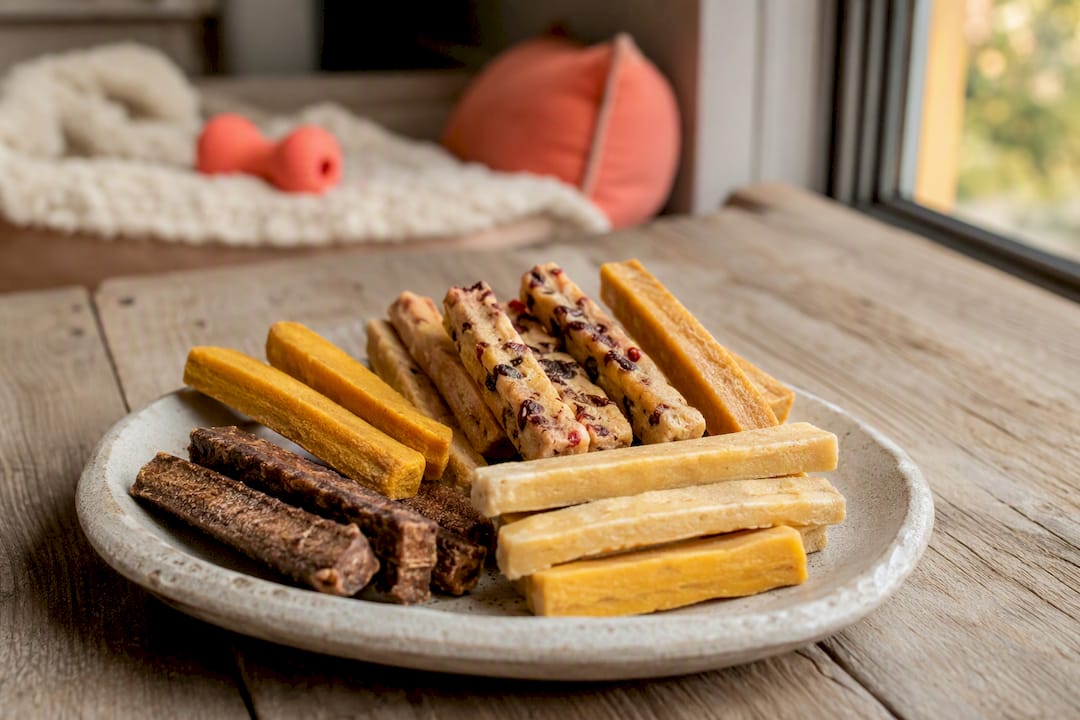
A few things stand out once you line these up side by side. Native Pet and Native Pet's Himalayan line both publish a size-to-weight chart with calorie estimates attached, which most competitors skip entirely. Safe Dog Co leans hard into "vet-approved" language in its marketing, but that phrase describes a business claim, not a certification from a dental body. Yak9 is the outlier for flavor variety, useful if your dog turns its nose up at plain milk chews.
The generic, less-branded versions sold under third-party listings are the biggest wildcard. Sourcing and manufacturing details are often thin or missing, which matters more with a chew than with a squeaky toy, since your dog is putting it in its mouth for hours.
Where vendors disagree on safety:
- Some brands recommend soaking chews briefly to soften them for sensitive dogs; others make no mention of softening at all.
- "Vet-approved" claims on packaging vary in what they're actually backed by. Look for named credentials, not just the phrase.
- Puffing instructions for leftover nubs differ in soak time and microwave duration between brands that mention the trick at all.
How Do You Pick the Right Size and Use It Safely?
Getting the size right is the single biggest lever you control. Buy a chew sized for your dog's actual weight, not its breed stereotype. A lean 40 pound border collie and a stocky 40 pound bulldog need the same size chew; a chart based on weight, like the one Native Pet publishes, works better than guessing from breed alone.
- Match the size to your dog's weight using the vendor's chart, sizing up only if your dog is an aggressive, fast chewer.
- Cap frequency at roughly one chew per day or less. Yak chews are calorie-dense recreational treats, and manufacturers themselves advise limiting intake to avoid weight gain.
- Watch where your dog chews it. A crate, a mat, or a spot you can see from the next room works better than handing it over and walking away.
- Pull the chew at the nub stage, the moment it's small enough that a hard bite could send it down whole.
- Skip it entirely for puppies with baby teeth, seniors with worn enamel, dogs with a history of cracked teeth, or any dog with a known dairy protein allergy.
Pro Tip: Weigh your dog before you buy, not after. A quick trip to the vet's scale (most clinics will let you use it for free) beats eyeballing a size chart at home.
What Did Kiblco's Testing Notes Reveal?
Kiblco's testers noticed a few things vendor pages tend to gloss over. Durability varied more by individual dog than by brand. A moderate chewer worked through a medium chew over two to three weeks; a determined chewer flattened the same size in days. Odor was mild across brands, and most dogs showed clear enthusiasm within the first few minutes.
The puffing trick for leftover nubs worked as advertised: a short soak followed by a brief microwave turned a hard leftover piece into a puffed, airy snack dogs ate readily, echoed by the method WigglyBums documents. No dental incidents came up during testing, but that's a small sample, not a guarantee, and it doesn't cancel out the fracture risk that hardness carries.
Extreme hardness is precisely what makes yak chews durable, and precisely what makes them a tooth-fracture risk in aggressive chewers. The two facts aren't in tension. They're the same fact.
If your dog has any dental history, talk to your vet before starting, and consider a softer alternative like a collagen stick instead.
Long-lasting yak chews work well for many dogs, but the fracture risk from their hardness makes supervision and sizing non-negotiable, not optional extras.
| Point | Details |
|---|---|
| Match size to weight | Use a vendor weight chart, not breed assumptions, to pick the right chew size. |
| Supervise every session | Stay within sight and pull the chew once it reaches the swallowable nub stage. |
| Limit to one per day | Yak chews are calorie-dense treats; fold them into your dog's daily kcal count. |
| Skip for high-risk dogs | Avoid yak chews for puppies, seniors, dogs with dental damage, or dairy allergies. |
| Compare before buying | Kiblco's brand comparison above highlights which vendors publish real sizing and safety detail. |
Where Did This Safety Guidance Come From?
This guide draws its safety framework from two primary sources, plus vendor-published sizing data referenced throughout.
- Yak Cheese Chews for Dogs — Whole Dog Journal's review of fracture, choking, and obstruction risk.
- Are Yak Chews Safe for Dogs to Chew and Enjoy? — WigglyBums' breakdown of ingredients and vendor safety practices.
The Real Trade-Off Nobody Puts on the Label
Most yak chew marketing sells durability as a pure benefit. It isn't. The hardness that makes a chew last three weeks instead of three days is the exact same property that cracks a molar. Vendors rarely say this plainly because it complicates the pitch, but the trade-off is real and every owner deserves to see it stated flatly before buying.
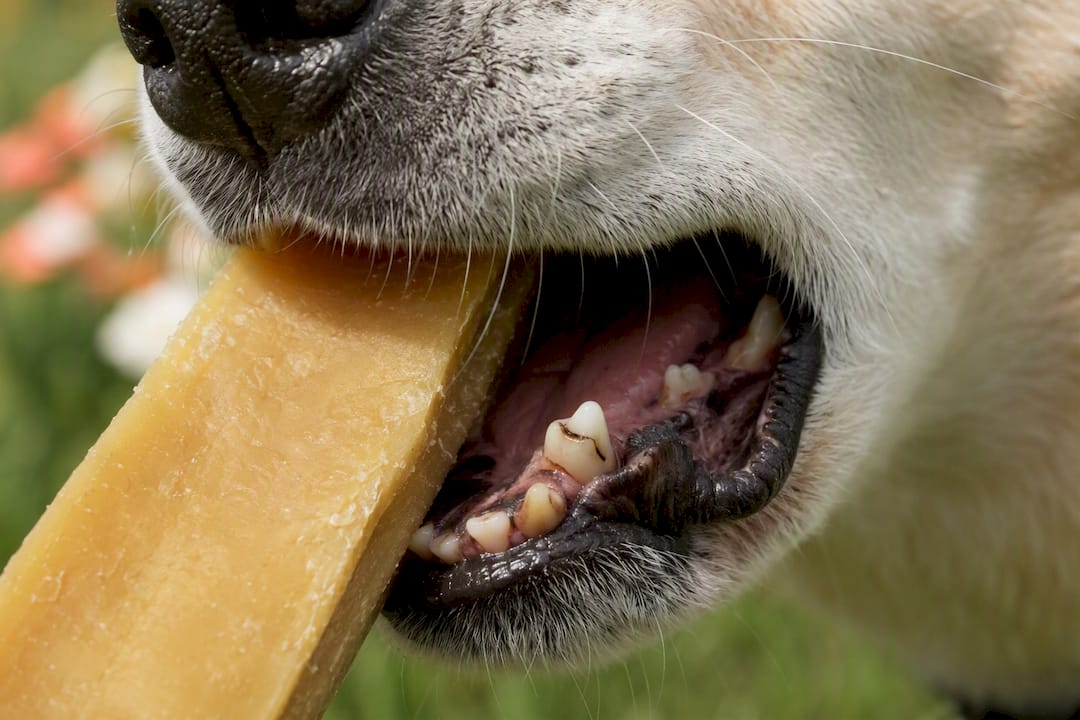
Where conventional advice falls short: it treats "vet-approved" as a settled fact rather than a marketing phrase, and it treats supervision as a suggestion rather than the actual price of admission for using a hard natural chew at all. Nobody skips it once they've seen a dog swallow a nub in half a second.
What I'd prioritize first isn't brand reputation or flavor variety. It's fit. A chew sized correctly for a calm chewer, watched closely, and pulled at the right moment is safer than the "best" brand used carelessly. Get the sizing and supervision habit right, and the brand differences in this guide become a matter of preference, not risk.
— Chris
A Different Way to Shop for Chews and Treats
Picking a yak chew from a shelf of similar-looking bags is a guess dressed up as a decision. Kiblco tests these products with real dogs before writing a word about them, so you're reading what actually happened when the chew met the jaw, not just what the packaging promises.
That's the gap Kiblco fills for treats and chews the way it does for GPS fences and joint supplements: hands-on evaluation instead of guesswork, with the pros and cons stated plainly so you can match a product to your specific dog rather than the average dog on the label. If your dog turns out to be a softer chewer or has dental history that rules out anything rock hard, Kiblco's guide to dog dental water additives and its picks for dog jerky treats cover lower-risk options worth comparing first. Start by browsing Kiblco's tested pet product picks before you add anything new to your dog's chew rotation.
Sources
- Yak Cheese Chews for Dogs - Whole Dog Journal
- Are Yak Chews Safe for Dogs to Chew and Enjoy? - WigglyBums
- What are yak chews made of? - Furlyo