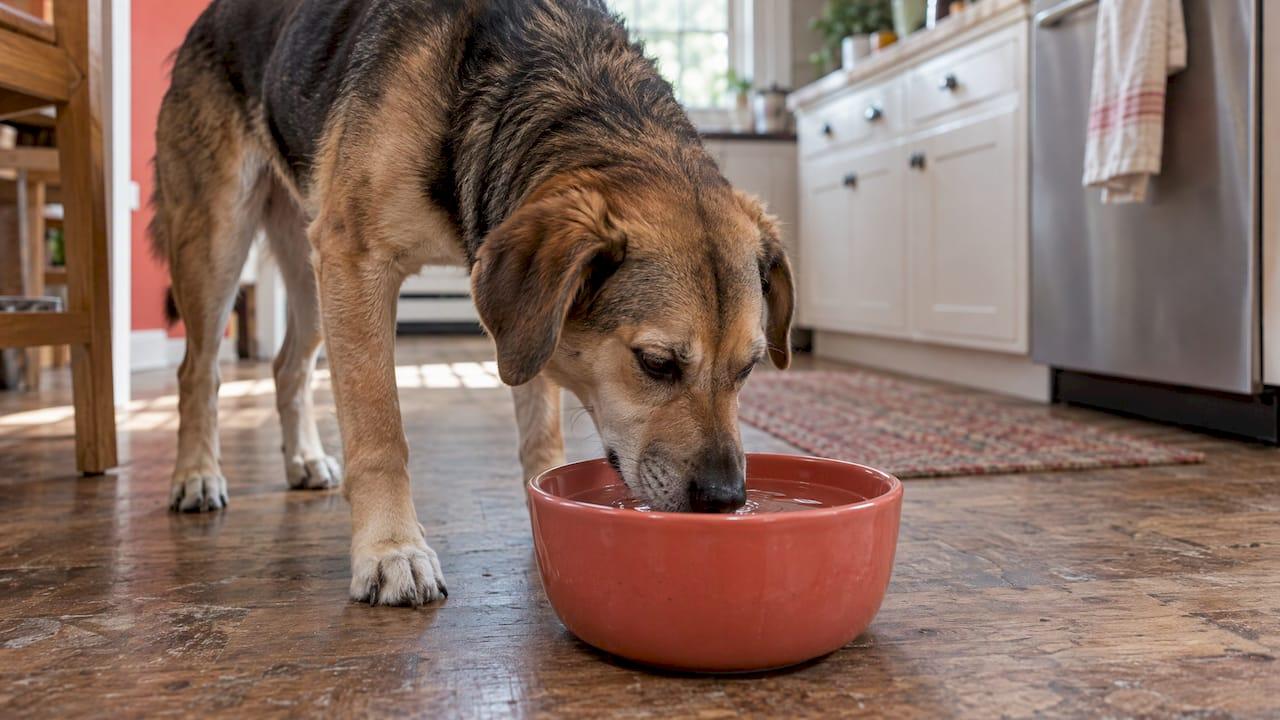
Mild dog constipation usually responds to the basics: more water, moist food, gentle movement and, with your vet's okay, a source of fiber. The harder part is knowing when it is no longer mild. A dog who goes 48 hours without a stool, strains, vomits or seems to be in pain needs a veterinarian, not another remedy from the pantry. This guide covers both sides, and it explains how to pick a gut-health product once your vet has cleared the way. That is the area we test at Kiblco, with vet input on the health picks.
TL;DR
- A healthy dog can go 12 to 24 hours without a bowel movement. Call your vet at 48 hours, or sooner if there is straining, blood, vomiting, pain or no appetite.
- Safe first steps for mild cases: fresh water, canned food or water added to kibble, gentle walks, and plain canned pumpkin if your vet agrees.
- Never give human laxatives, enemas or mineral oil on your own. They can seriously harm dogs.
- Car sickness is a separate problem with its own fixes: gradual conditioning, a safe travel setup and, for stubborn cases, a prescription anti-nausea drug from your vet.
- For fiber supplements, prebiotics and similar products, choose from reviews that show real-home testing, vet input and honest downsides.
Table of Contents
- What constipation looks like in a dog
- Common causes worth ruling out
- Safe home relief for mild constipation
- What not to do
- When constipation is a vet visit
- Dog car sickness: remedies that work
- How to choose a gut-health product without wasting money
- Where we stand
- Find a vet-informed pick
- FAQ
- Sources
What constipation looks like in a dog
Constipation means infrequent or difficult passage of stool, and the feces build up in the colon. VCA Animal Hospitals describes it as typically temporary. The same page lists the signs to watch for:
- repeated, unsuccessful attempts to defecate
- excessive circling, scooting or frequent squatting
- crying out while trying to go
- decreased appetite, vomiting or weight loss
- small amounts of watery or mucus-containing stool
- a tense, painful belly that makes the dog cry or growl when touched
The watery stool surprises many owners. A dog with a backed-up colon can leak small amounts of liquid around the blockage, so it can look like diarrhea when it is not.
How often is normal? PetMD's veterinary guidance says a healthy dog can go 12 to 24 hours without a bowel movement, and that 48 hours without stool warrants a vet visit. Keep a simple note of when your dog last went, what the stool looked like and what they ate. That note is the most useful thing you can hand a vet.
Common causes worth ruling out
Most mild cases trace back to something simple. The Merck Veterinary Manual's owner guide points to diet, bones and other objects the dog should not be eating, and limited access to water. VCA's overview adds lack of exercise, too much or too little fiber and other illnesses that can slow the gut.
A few patterns to look for:
- A recent diet change or a bone, a pile of hair or something swallowed on a walk.
- A dry-food-only diet with a dog who drinks little.
- Less activity than usual, for example after an injury, in a heat wave or during a long stretch of bad weather.
- An older dog with other health conditions. Repeated episodes deserve a vet visit even if each one clears up.
The severe form, called obstipation, means stool is so hard and packed that the dog cannot pass it. VCA notes it is often linked to a serious, permanent or irreversible medical condition. That is the reason recurring constipation should never be treated as a nuisance.
Safe home relief for mild constipation
These steps suit a comfortable, eating, alert dog who is a day or so late and is not straining hard. Veterinary sources agree closely on them.
1. Get more water in
Hydration comes first. PetMD lists more water, canned food, or water mixed into dry food as the first lines of home care. Embrace Pet Insurance's vet-authored guide adds low-sodium chicken broth stirred into water as a way to tempt a reluctant drinker.
Practical ways to do it:
- Put out a second water bowl in the room where your dog spends the most time.
- Wet the kibble and let it soak for a few minutes.
- Swap one meal for canned food for a day or two.
- If you keep food and water topped up for a multi-pet home, a dry food and water dispenser for dogs keeps a reserve available between refills.
2. Add gentle movement
Walking stimulates the gut. Keep it easy: a few short, unhurried walks beat one hard run. Give your dog time to sniff and settle. Many dogs need that to go.

3. Consider fiber, with your vet's okay
PetMD advises checking with a veterinarian before adding fiber, because the right amount depends on the dog and the cause. Both too little and too much fiber can cause trouble, which VCA notes among the causes. Embrace's guide points to plain 100% canned pumpkin, not pumpkin pie filling, with the amount based on the dog's weight. Ask your vet for that amount rather than guessing from a label.
If you and your vet decide a supplement fits, that is where a good review helps. We cover the category in our hands-on guide to a dog fiber supplement and the gut problems it can address, and in our write-ups on slippery elm for dogs and a vet-backed prebiotic for dogs. If probiotics are on your vet's list, you can browse our dog health reviews.
4. Keep the routine steady
Bucksport Vet's guidance recommends a consistent diet, avoiding bones and indigestible treats, and monitoring each bowel movement. Skip new chews and table scraps while your dog is backed up.
What not to do
This is where well-meaning owners get into trouble, so it gets its own section.
- Human laxatives and stool softeners. The Merck Veterinary Manual warns that laxatives made for people can be very dangerous for animals, especially cats. Vets do use laxatives such as DSS or PEG 3350 (the ingredient in Miralax), but VCA describes them as prescribed, with dosing set by the veterinarian. A human-sized scoop is not a dog dose.
- Enemas. Vetster says enemas should only be given by a veterinarian, never at home.
- Mineral oil. Embrace warns that forcing it can lead to the oil being inhaled into the lungs.
- Olive oil and other pantry fixes. Vetster cautions that even natural remedies like olive oil can do more harm than good in some dogs. Check with your vet first.
- Long-term laxative use. The Merck Veterinary Manual's professional reference says continued laxative use should be avoided unless needed to prevent recurrence, which is a decision for your vet.
These limits are what make home care safe. Water, movement and a vet-approved fiber source are the tools that stay in your hands.
When constipation is a vet visit
Use a simple two-level rule.
Call your vet the same day if:
- no stool for 48 hours
- straining or only small, dry fecal balls
- blood from the anus
- not eating, vomiting or signs of pain
These come from PetMD's guidance. Bucksport Vet adds repeated unsuccessful attempts and suspected swallowing of a foreign object.
Go to an emergency clinic if you see:
- severe belly pain or a hard, swollen abdomen
- breathing difficulty, pale gums or collapse
- seizures, fever or sudden trouble walking
- repeated vomiting or significant weakness
Vetster's symptom page lists several of these. It also flags a mix-up that matters: a dog straining to urinate can look like a dog straining to poop, and that is an emergency. If you are not sure which one you are seeing, treat it as urgent.
What the vet will do
VCA says most cases are diagnosed from a physical exam and history, with the vet feeling for a firm, distended colon. Some dogs need a rectal exam, abdominal X-rays to check for an obstruction, or blood and urine tests. Treatment starts by loosening or removing the impacted stool with enemas, manual removal and medication, and some dogs are hospitalized for fluids and repeated enemas. The vet may also change the diet, either lower or higher in fiber depending on the cause. Going in early usually means a simpler, shorter treatment.

Dog car sickness: remedies that work
Many owners searching for constipation relief also search for motion sickness remedies, since both come up during road trips and routine changes. They are different problems, so here is a short guide.
Signs. VCA lists whining and pacing, heavy drooling, lip smacking, lethargy, vomiting and even defecation in the car. Young dogs often have underdeveloped inner-ear balance and usually outgrow it by about a year old. In adult dogs it is often about anxiety or lack of conditioning. Ear infections and vestibular disease can also be behind it, so a sudden onset in an adult dog is worth a vet visit.
What to try first. VCA recommends gradual desensitization:
- Sit with your dog in the parked car, with treats and praise.
- Move to a short drive around the block.
- Build to 20 to 30 minute rides over days or weeks.
- Reward calm behavior and never scold.
On travel days, VCA suggests withholding food for up to 8 hours beforehand if that is not too stressful for your dog, offering fresh water, using a carrier or safety harness, and keeping the car cool and quiet. A well-fitted travel harness is part of that setup, and our dog gear reviews cover what holds up in real use.
Medication. The Merck Veterinary Manual's motion sickness chapter calls maropitant, an anti-nausea drug, the FDA-approved preferred drug for motion sickness in dogs, given once daily. It also notes antihistamines such as diphenhydramine, dimenhydrinate and meclizine can help, and that dogs should be at least 8 weeks old for maropitant. The FDA's January 2026 approval summary for a maropitant chewable tablet lists a prescription dose for up to 2 consecutive days for dogs 4 months and older. The dose depends on weight, so your vet sets it. VCA also points out that anti-nausea drugs treat nausea, not anxiety, so a very anxious dog may need a different plan.
Ask your vet before using any calming product or natural remedy. If ginger comes up in that conversation, our guide to ginger for dogs covers safe amounts and who should skip it.
How to choose a gut-health product without wasting money
Once your vet has cleared a fiber supplement, probiotic or prebiotic, the shelf is crowded and the labels all sound alike. A few questions sort the options:
| Question | What to look for |
|---|---|
| Was it used in a real home? | A reviewer who bought it and fed it for weeks, not a rewritten label |
| Was a vet involved? | Health picks checked against veterinary guidance |
| Are the downsides stated? | A review with pros and cons, including how a dog took to the taste and texture |
| Is the money disclosed? | Clear affiliate disclosure and no paid placement |
| Does it fit your dog? | Size, age and the reason your vet gave for adding it |
If you want to go deeper into the gut, our write-up on postbiotics for dogs explains what recent research means for a vet visit. Our dog microbiome test checklist walks through what to ask before paying for one.
Where we stand
Constipation is a good example of why we review pet products the way we do. The internet is full of quick fixes, and most of them skip the step that matters: your vet knows your dog's history and can rule out the serious causes first.
Our approach is to buy products, use them in real homes and show the pros and cons plainly, with health picks cross-checked by veterinary experts. We accept no payment for coverage. When a reader needs to decide between a fiber supplement and a prebiotic, they should see how each was used, what went well and what did not, and the vet's guardrails around it.
So our advice is simple. Handle the basics at home, call your vet on time, and when you do shop for something to support your dog's digestion, shop from reviews that show their work.
Chris
Find a vet-informed pick
When your vet has okayed a supplement, treat or travel product, our Dog Health reviews are where to compare options. Each review lays out the pros and cons, how durable and easy to use the product is, and its health effects, based on products we purchased and tested in real homes.

FAQ
Is pumpkin good for dog constipation?
Plain 100% canned pumpkin, not pie filling, is a fiber source that vets such as those at Embrace Pet Insurance mention for mild constipation. The amount depends on your dog's weight, so ask your vet for the right portion. If your dog is straining, in pain or vomiting, skip the pumpkin and call the clinic.
Can I give my dog Miralax or olive oil?
Not on your own. Vets do prescribe laxatives such as PEG 3350, the ingredient in Miralax, but the dose is set by your veterinarian for your dog. The Merck Veterinary Manual warns that human laxatives can be very dangerous for animals. Vetster cautions that even olive oil can do more harm than good in some dogs.
How long can a dog go without pooping?
A healthy dog can go 12 to 24 hours without a bowel movement, according to PetMD's veterinary guidance. At 48 hours without stool, call your vet. Call sooner if your dog is straining, passing blood, vomiting, refusing food or seems to be in pain.
What helps a dog with car sickness?
Start with gradual conditioning: sit in the parked car, then try short drives, then build to 20 to 30 minute rides. Use a secure harness or carrier, keep the car cool and offer water. For dogs who still get sick, your vet can prescribe an anti-nausea medication such as maropitant and set the dose.
Sources
- Constipation in Dogs, VCA Animal Hospitals
- Motion Sickness in Dogs, VCA Animal Hospitals
- What Can I Give My Dog To Ease Occasional Constipation?, PetMD
- Constipation, Obstipation, and Megacolon in Small Animals, Merck Veterinary Manual
- Disorders of the Stomach and Intestines in Dogs, Merck Veterinary Manual
- Motion Sickness in Animals, Merck Veterinary Manual
- Constipation and Straining to Defecate in Dogs, Vetster
- Constipation in Dogs, Embrace Pet Insurance
- FDA FOI Summary, maropitant chewable tablets, January 12, 2026