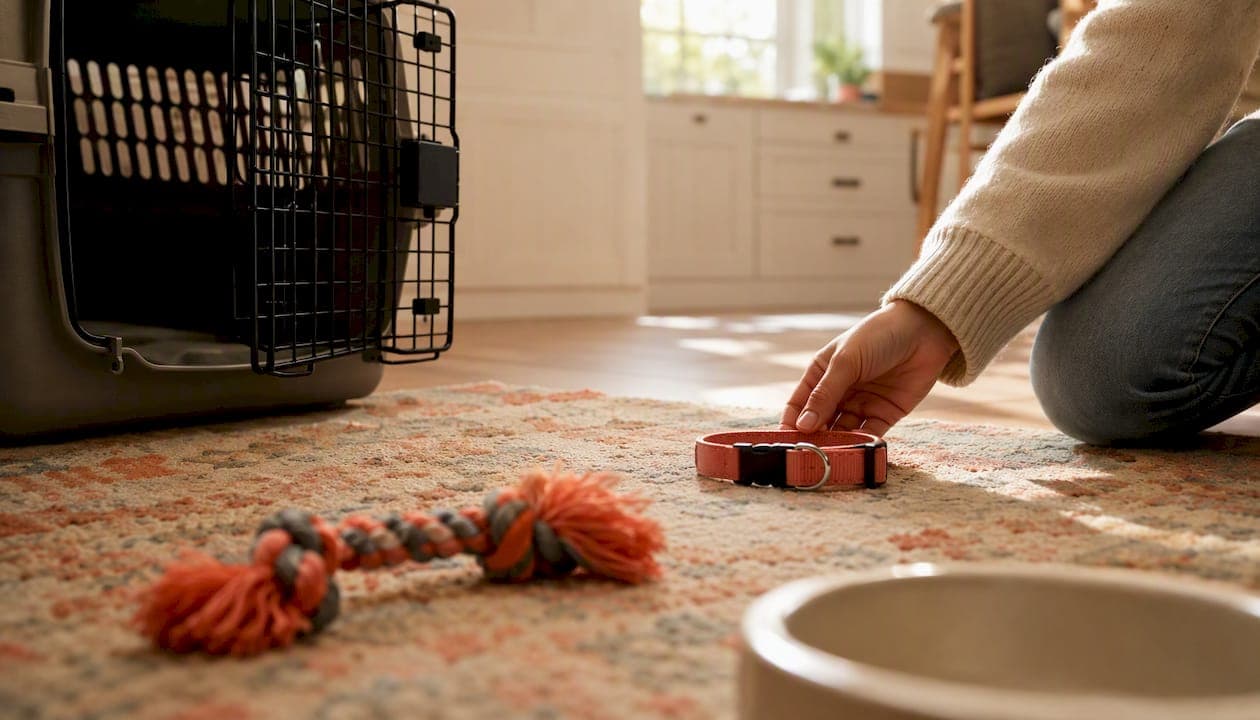
Before your puppy sets a single paw in your home, you need puppy-formulated food and the brand they're already eating, stainless-steel food and water bowls, a properly sized crate or exercise pen, a washable bed, a flat collar plus harness and leash, an engraved ID tag, a basic toy or two, enzymatic cleaner, and a vet appointment booked within 72 hours. That's your non-negotiable day-one list. Book that vet visit first — before you shop for anything else — and collect every piece of paperwork from the breeder or shelter: vaccination records, deworming history, and the microchip number if one was implanted.
For pickup day, pack:
- A carrier or a secured backseat plan (a crate or a dog car bed works well)
- A small towel with familiar scent from the litter
- A sample bag of the puppy's current food
- The microchip number and registration info, if available
- Breeder or shelter paperwork in a folder
Pro Tip: Ask the breeder or shelter to send a worn blanket or toy home with the puppy. The familiar smell cuts first-night crying dramatically.
Key Takeaways
A complete new puppy checklist covers at least 23 items across feeding, containment, ID, health, grooming, and enrichment — but the single most urgent action is booking a vet visit within 72 hours of bringing your puppy home.
| Point | Details |
|---|---|
| Book the vet within 72 hours | Confirms health status and starts the vaccination and deworming plan before problems develop. |
| Crate plus safe den space | Size the crate so the puppy can stand, turn, and lie down; use a divider for large-breed crates. |
| Current food plus transition plan | Get the breeder's brand and transition to a new food over 5–7 days to prevent digestive upset. |
| ID tag and microchip registration | Attach the engraved tag on day one and register the microchip immediately after implantation. |
| Kiblco vet-tested guides | Kiblco's hands-on reviews cover every category on this list with honest pros, cons, and vet input. |
Table of Contents
- What belongs on your complete puppy essentials list?
- How do you puppy-proof your home before bringing them inside?
- What should you expect at the first vet visit, and when?
- How do you start potty training a puppy from day one?
- What training tools and socialization steps matter most in the first weeks?
- How do you choose safe teething toys and enrichment tools?
- What grooming basics does a puppy need from week one?
- Vet-backed buying tips that prevent the most common new-owner mistakes
- Your first 30 days with a new puppy: a week-by-week timeline
- Why a vet-informed, tested checklist actually matters
- Kiblco's vet-tested puppy picks: where to start shopping
- Sources
What belongs on your complete puppy essentials list?
A thorough new puppy checklist covers at least 23 specific items across feeding, walking, training, comfort, grooming, and enrichment. Here's every category broken down, with quick fit and selection notes so you buy the right thing the first time.
Feeding
- Puppy-formulated food: Choose a formula matched to your puppy's size class — large-breed puppies need different calcium-to-phosphorus ratios than small breeds. Get the exact brand the breeder or shelter was feeding and keep it on hand.
- Measuring scoop: Eyeballing portions leads to overfeeding. Use the scoop and follow the bag's weight-based guidelines.
- Two bowls: Stainless-steel or ceramic bowls reduce bacterial buildup and are less likely to trigger skin reactions than plastic. One bowl for food, one always filled with fresh water.
- Treat pouch: A belt-mounted treat pouch keeps training rewards accessible without fumbling in your pocket.
- Food storage bin: An airtight bin keeps kibble fresh and pests out.
Containment and rest
- Crate: Size it so the puppy can stand, turn around, and lie down — nothing larger. A crate that's too roomy gives a puppy room to soil one corner and sleep in another, which undermines housetraining. If you're buying an adult-size crate for a large breed, get one with a divider panel.
- Washable bed or blankets: Puppies have accidents. Anything that can't go in the washing machine is the wrong choice for the first several months.
- Exercise pen or baby gates: A pen creates a safe zone when you can't supervise directly. Gates block stairways and off-limit rooms.
Walking and ID
- Flat collar (adjustable): Fit two fingers snugly between the collar and the puppy's neck. Check the fit weekly — puppies grow fast.
- Harness: The AKC recommends a properly fitted harness for early leash training to avoid tracheal pressure and give you better control, especially with brachycephalic breeds or puppies that lunge.
- 4–6 ft leash: Skip retractable leashes for now. A fixed-length leash teaches the puppy to walk close without the slack that makes early training harder.
- Engraved ID tag: Attach it before the puppy leaves the car on day one.
- Microchip registration reminder: If the puppy was chipped by the breeder, confirm the registration is transferred to your name immediately.
Health and parasite prevention
- Flea, tick, and heartworm prevention: Most effective preventives require a vet prescription or recommendation. Don't buy over-the-counter products until you've talked to your vet about what's appropriate for your region and the puppy's age.
- Pet first-aid kit: A basic kit should include gauze, antiseptic wipes, a digital thermometer, tweezers, and the ASPCA Animal Poison Control number (888-426-4435).
Potty and cleaning
- Poop bags: Buy in bulk.
- Enzymatic cleaner: Standard household cleaners don't break down the urine proteins that draw puppies back to the same spot. An enzymatic formula does.
- Pee pads: Optional, but useful for apartment dwellers or during extreme weather.
- Latching trash can: Puppies investigate trash. A lidded, latching can prevents ingestion of hazardous waste.
Grooming and care
- Soft slicker brush or bristle brush: Match to coat type — a short-coated breed needs a rubber curry brush; a double-coated breed needs a slicker.
- Puppy shampoo: Adult dog shampoos can be too harsh for puppy skin. Use a formula labeled for puppies.
- Nail trimmers: Small guillotine-style trimmers work well for most puppies. Have styptic powder nearby in case you nick the quick.
- Finger toothbrush and dog toothpaste: Never use human toothpaste — the fluoride is toxic to dogs. Start brushing early so it becomes routine.
- Ear-cleaning solution and grooming wipes: Weekly ear checks catch infections early, especially in floppy-eared breeds.
Enrichment and toys
- Teething toys: Soft rubber or nylon options soothe sore gums. Rotate two or three to keep interest up.
- Puzzle or treat-dispensing toy: Mental stimulation tires a puppy out as effectively as physical exercise. See Kiblco's puzzle feeder picks for vetted options.
- Comfort toy: A plush toy or a heartbeat toy helps during crate time, especially the first few nights.
Paperwork and safety documents
- Vaccination and deworming records from the breeder or shelter
- Microchip number and registry contact
- Adoption or purchase contract
- Local dog licensing information (most U.S. counties require a license within 30 days of ownership)
- Your vet's contact number and the nearest emergency animal hospital
Pro Tip: Keep all documents in a single folder — physical or digital — so you're not hunting for the vaccine record when the vet asks for it at the first appointment.
How do you puppy-proof your home before bringing them inside?
Puppies explore with their mouths and have no concept of what's dangerous. A quick walk-through before day one prevents emergencies and saves furniture.
The most common hazards:
- Electrical cords: Puppies chew them. Use cord covers or run cables behind furniture.
- Small objects: Coins, hair ties, children's toys, and bottle caps are all choking hazards. Clear the floor.
- Toxic foods and chemicals: Grapes, raisins, xylitol (found in sugar-free gum and some peanut butters), chocolate, onions, and many common houseplants are toxic to dogs. Store them out of reach or behind latched cabinets.
- Open trash and laundry: A lidded trash can and a closed hamper prevent ingestion of bones, wrappers, and socks.
- Escape routes: Check fence gaps, gate latches, and gaps under decks before the puppy goes outside.
Room-by-room priorities:
Kitchen: Latch lower cabinets that hold cleaning products. Keep the trash can inaccessible. Don't leave food on low counters.
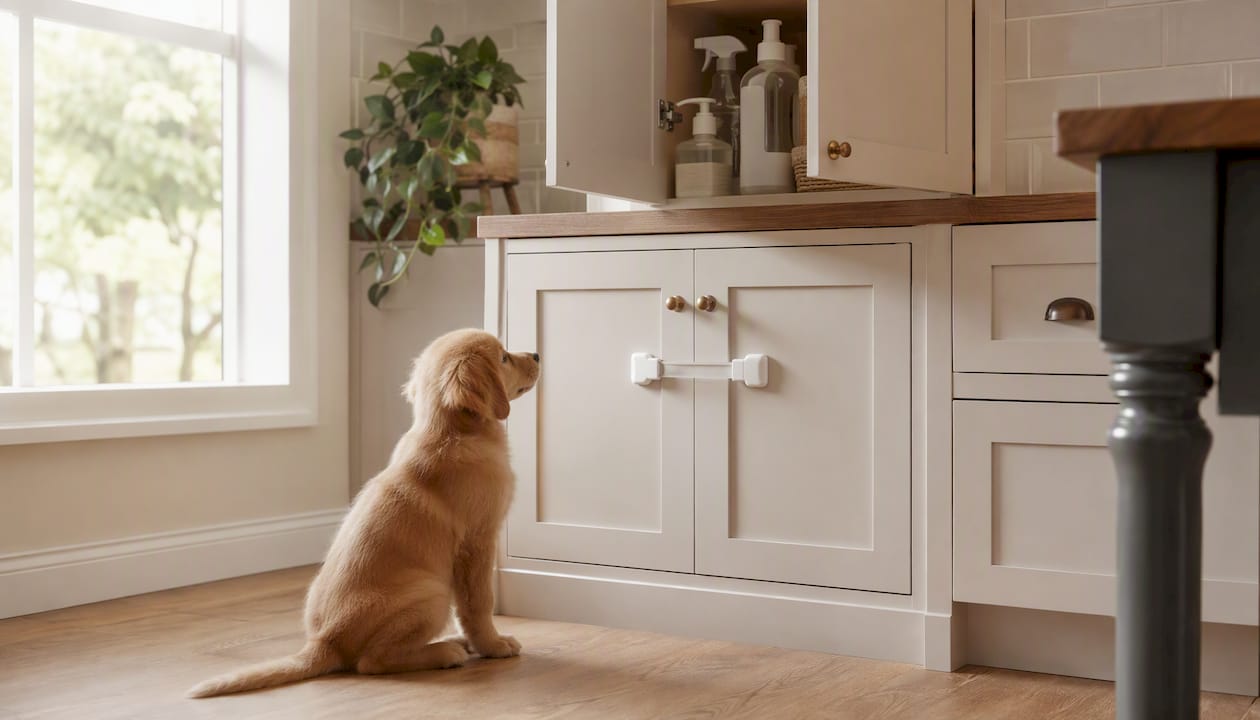
Living room: Tuck or cover cords. Move small decorative objects to higher shelves. Block access behind the TV stand.
Stairs: Install baby gates at the top and bottom. Puppies can fall, and repeated stair climbing stresses developing joints.
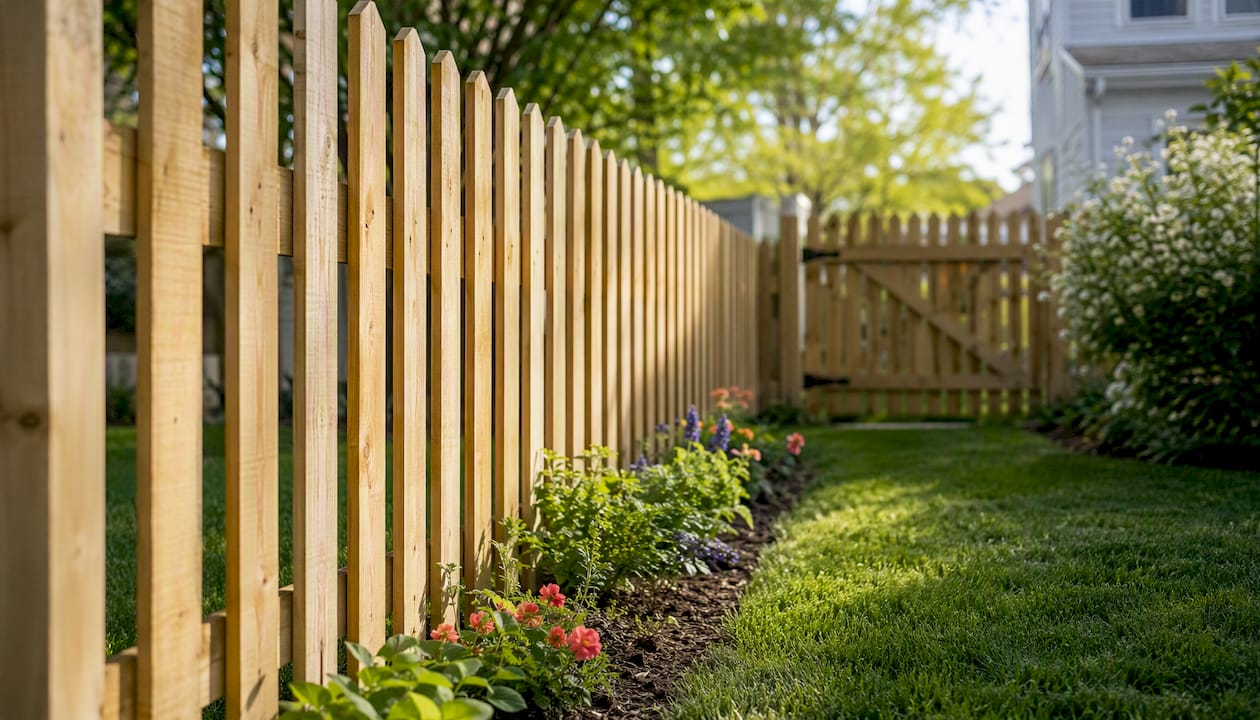
Backyard: Walk the fence line and look for gaps at the base. Check that gate latches can't be nosed open. Remove any standing water containers that could be a drowning risk for very small breeds.
Pro Tip: Place the crate in a low-traffic corner of a main living area, not in an isolated room. Puppies settle faster when they can hear and smell the household without being overwhelmed by it.
What should you expect at the first vet visit, and when?
Schedule the first exam soon after bringing your puppy home to confirm health status, start or continue the deworming and vaccination plan, and discuss parasite prevention. The VCA recommends having a safe den-like space ready and an early vet appointment as two of the most critical first steps.
What to bring to the first appointment
- All vaccination and deworming records from the breeder or shelter
- A fresh fecal sample (collected within 12 hours, sealed in a clean bag)
- A sample of the current food
- A written list of questions about spay/neuter timing, diet, parasite prevention, and the vaccine schedule
- The microchip number, if applicable
Puppy vaccination timeline
The schedule below reflects typical U.S. recommendations. Your vet will personalize it based on your puppy's health, lifestyle, and regional disease risk.
| Age | Core vaccines | Notes |
|---|---|---|
| 6–8 weeks | DA2PP (distemper, adenovirus, parvovirus, parainfluenza) | Often given by breeder; confirm with records |
| 10–12 weeks | DA2PP booster | Vet visit; discuss Bordetella and Leptospira |
| 14 weeks | DA2PP booster, Rabies | Rabies required by law in most U.S. states |
| 12–16 months | DA2PP booster, Rabies booster | Transition to adult schedule |
Deworming typically begins at 2 weeks of age and repeats every 2 weeks until 12 weeks, then monthly until 6 months. Confirm the breeder's deworming history and continue the schedule with your vet.
Parasite prevention notes:
- Heartworm prevention should start by 8 weeks of age in most regions; many products require a vet prescription.
- Flea and tick preventives vary by region and season. Your vet will recommend a product appropriate for the puppy's weight and age.
- Register the microchip immediately after implantation. The chip itself is useless without an active registration linked to your current contact information.
How do you start potty training a puppy from day one?
Consistency matters more than any single product. A predictable schedule, supervised freedom, and the right cleaner when accidents happen are the three things that actually move the needle.
The three-step starter routine:
- Schedule: Take the puppy outside (or to the pee pad) first thing in the morning, after every meal, after every nap, after play, and right before bed. For an 8-week-old puppy, that's roughly every 1–2 hours during waking hours.
- Supervised freedom plus a cue: Keep the puppy on a leash or within arm's reach indoors. When you take them to the potty spot, use a consistent cue word ("go potty," "outside," whatever you choose) and wait quietly.
- Reward immediately: The moment elimination happens, mark it with a calm "yes" or a click and deliver a small treat within 2 seconds. Timing is everything — a treat given 30 seconds later teaches nothing.
Sample daily timing for an 8-week-old:
- 6:00 AM: Wake up, immediately outside
- 6:15 AM: Breakfast
- 6:30 AM: Outside again
- Every 1–2 hours through the day: outside after naps and play
- Last meal by 6:00 PM to reduce overnight accidents
- 10:00 PM: Final potty break before crate for the night
Pee pads vs. outdoor-only training:
Pads work well for apartment dwellers, very small breeds, or cold-weather situations. The trade-off is that you'll eventually need to transition the puppy from pads to outdoors, which adds a second training phase. If you have yard access, outdoor-only training from the start is simpler.
Enzymatic cleaners:
Standard cleaners mask odor to human noses but leave behind urine proteins that draw puppies back to the same spot. An enzymatic cleaner breaks down those proteins at the molecular level. Saturate the area, let it sit for the time listed on the label, and blot dry. Don't use ammonia-based cleaners on urine spots — ammonia smells like urine to a dog.
Portable cleanup kit:
- Enzymatic spray bottle
- Paper towels or microfiber cloths
- Waste bags
- Disposable gloves
Keep one kit in the car and one in the house.
What training tools and socialization steps matter most in the first weeks?
A consistent daily routine reduces anxiety and builds confidence — and that applies to training as much as feeding. Short, frequent sessions (3–5 minutes, several times a day) outperform long ones for puppies whose attention spans are measured in seconds.
Essential training tools
- Soft, small training treats: Pea-sized pieces. Use something the puppy finds genuinely exciting — plain kibble rarely cuts it for a distracted 9-week-old. Kiblco's jerky treat picks are a good starting point.
- Short leash (4–6 ft): Used for name recall and early loose-leash work.
- Harness: Fits over the collar for walks; reduces neck strain and gives you directional control.
- Reward pouch: Keeps treats accessible without fumbling.
- Clicker (optional): A clicker marks the exact moment of correct behavior with more precision than a verbal marker, but a consistent word ("yes") works just as well if you're consistent.
Socialization: timing, safe exposures, and what to avoid
Early socialization — gentle, positive exposure to new people, sounds, and environments — is one of the most important things you can do before 16 weeks. The socialization window closes, and fear-based behaviors that develop after it are much harder to address.
Safe exposures before full vaccination:
- Household sounds (vacuum, dishwasher, TV)
- Calm, healthy, vaccinated dogs owned by people you trust
- Car rides
- Different surfaces (grass, gravel, tile, carpet)
- Gentle handling by multiple people, including children (supervised)
What to avoid until fully vaccinated:
- Dog parks
- Pet store floors
- High-traffic areas where unknown dogs congregate
Three first commands to teach:
- Name recognition: Say the name once, reward when the puppy looks at you. Repeat 10 times per session.
- Sit: Lure with a treat held above the nose and moved back over the head. The moment the rear hits the floor, mark and reward.
- Come/recall: Start indoors, crouch down, say "come" in a happy voice, and reward generously when the puppy reaches you. Never call the puppy to you for something unpleasant — that poisons the recall cue fast.
Pro Tip: End every training session before the puppy loses interest. A puppy that ends a session wanting more will come back eager. One that ends frustrated or bored will start avoiding the leash.
How do you choose safe teething toys and enrichment tools?
Teething peaks between 3 and 6 months, when adult teeth push through and puppies chew everything within reach. The right toys redirect that chewing and support mental health at the same time.
Toy types by purpose:
- Soft rubber teething toys: Soothe inflamed gums. Look for toys sized so the puppy can't fit the whole thing in its mouth.
- Durable nylon or rubber chews: Better for puppies past 4 months whose bite force is increasing. Kiblco's chew-proof toy guide covers options that hold up to heavy chewers.
- Puzzle and treat-dispensing toys: Slow down eating and provide mental stimulation. A snuffle mat is a low-cost option that works well for puppies.
- Comfort toys: A plush toy or a lick mat during crate time reduces separation anxiety. Lick mats with a smear of dog-safe peanut butter (xylitol-free) can extend calm settling time by several minutes.
- Heartbeat toys: Simulate littermate presence and help with first-night crying.
Safety checklist before giving any toy:
- Is it sized so the puppy can't swallow it whole?
- Does it have small parts that could detach?
- Is the material free of toxic dyes or coatings?
- Replace any toy that shows chunks being bitten off — ingested rubber or stuffing causes intestinal blockages.
Rotation strategy: Keep 3–4 toys available at a time and swap two of them out every few days. Novelty keeps interest high and reduces the chance the puppy turns to furniture or shoes.
On tug games: Hold off on tug until the puppy has a reliable "drop it" or "leave it" cue. Without a release cue, tug can reinforce grabbing and resource guarding in some puppies.

What grooming basics does a puppy need from week one?
Starting grooming early — even before it's strictly necessary — gets the puppy comfortable with being handled. A puppy that tolerates nail trims and ear checks at 8 weeks is far easier to groom at 8 months.
Weekly basics:
- Brushing: Short-coated breeds (Beagles, Labs) need a rubber curry brush once a week. Double-coated breeds (Huskies, Golden Retrievers) need a slicker brush and an undercoat rake two to three times a week. Long-coated breeds (Shih Tzus, Maltese) need daily brushing to prevent mats.
- Bathing: Once every 3–4 weeks is enough for most puppies. More frequent bathing strips natural oils. Always use a puppy-formulated shampoo and rinse thoroughly — residue causes skin irritation.
- Ear checks: Look for redness, odor, or dark debris weekly. Floppy-eared breeds (Cocker Spaniels, Basset Hounds) are prone to infections. Use a vet-approved ear-cleaning solution and cotton balls — never cotton swabs inside the ear canal.
- Teeth: Introduce a finger toothbrush with dog toothpaste during the first week. Aim for daily brushing, but even three times a week makes a meaningful difference in long-term dental health.
- Nails: Trim every 2–3 weeks. If you hear clicking on hard floors, they're overdue.
Tools you need:
- Soft slicker brush or rubber curry brush (coat-appropriate)
- Puppy shampoo
- Finger toothbrush and enzymatic dog toothpaste
- Small nail trimmers and styptic powder
- Grooming wipes for quick cleanups between baths
- Ear-cleaning solution
When to call a professional: If you notice persistent ear odor or debris despite cleaning, skin redness or flaking that doesn't resolve, or if nail trimming causes significant stress, ask your vet or a certified groomer. Forcing a panicked puppy through grooming creates lasting aversion — a professional can desensitize the puppy properly.
Vet-backed buying tips that prevent the most common new-owner mistakes
Most returns and early health issues trace back to a handful of predictable selection errors. These rules come from vet guidance and hands-on testing by Kiblco's team of real pet parents.
Food transition rule: Always get the exact brand the breeder or shelter was feeding and transition slowly over 5–7 days to avoid GI upset. Sudden switches cause diarrhea in most puppies.
Crate sizing rule: The crate should allow the puppy to stand, turn around, and lie down — nothing more. A crate that's too large lets the puppy designate a bathroom corner, which defeats housetraining. Use a divider panel in an adult-sized crate if you're buying ahead for a large breed.
Collar vs. harness guidance: A flat collar holds the ID tag and is fine for identification. For walks and training, a harness distributes pressure across the chest and shoulders rather than the trachea. This matters most for brachycephalic breeds (Bulldogs, Pugs, French Bulldogs) and any puppy that pulls hard. Check fit with the two-finger rule: two fingers should slide snugly under the harness straps without the harness slipping over the puppy's head.
Common buyer mistakes to avoid:
- Oversized beds and crates: A puppy drowning in a giant bed won't feel secure. Size down and upgrade as they grow.
- Retractable leashes: They teach puppies to pull and offer no control in traffic or around other dogs. Use a fixed-length leash for at least the first year.
- Buying too many toys at once: Fifteen toys on day one means none of them feel special. Start with four or five and rotate.
- Skipping the food transition: Even a "better" food causes digestive upset when introduced abruptly.
Pro Tip: Kiblco reviews every product category with input from veterinary professionals and real pet parents who test items in their own homes. Before buying anything on this list, check Kiblco's vet-informed product guides for honest pros, cons, and durability notes. Kiblco earns a commission on purchases made through its links, which is how the site stays free — it never changes which products make the cut.
Your first 30 days with a new puppy: a week-by-week timeline
Structure the first month around four phases. Each one builds on the last, and knowing what to focus on prevents the scattered overwhelm that hits most new owners around day three.
1. First 24–72 hours
Set up the crate and safe space before the puppy arrives. Limit access to one or two rooms. Take the puppy directly to the potty spot when you arrive home, before going inside. Keep greetings calm — an overstimulated puppy on day one sets a chaotic tone. Book the vet appointment if you haven't already, and bring all breeder or shelter paperwork plus a fresh fecal sample.
2. Week 1: routine establishment
Consistent daily routines build puppy confidence and reduce behavior problems — predictable meal, play, and rest times are the foundation. Start crate training and potty training from the first morning. Keep socialization low-key: household sounds, calm family members, and short car rides. Watch eating and stool patterns closely — a puppy that refuses food for more than 24 hours or has bloody diarrhea needs a vet call, not a wait-and-see approach.
3. Weeks 2–4: building on the foundation
Follow up on the vaccination schedule your vet outlined. Start basic training sessions (name, sit, recall) in 3–5 minute blocks. Expand socialization gradually after your vet confirms it's safe — introduce new people, surfaces, and controlled dog interactions. Monitor stool consistency, energy levels, and appetite as reliable health indicators.
4. Red flags: call the vet immediately if you see:
- Lethargy or unresponsiveness
- Refusal to eat for 24 or more hours
- Persistent vomiting or diarrhea (more than two episodes)
- Difficulty breathing or labored panting at rest
- Pale or white gums
- Suspected ingestion of a toxic substance
Parvovirus moves fast in unvaccinated puppies. If your puppy shows lethargy combined with vomiting and bloody diarrhea, treat it as an emergency.
Why a vet-informed, tested checklist actually matters
Most puppy checklists are assembled from other checklists. What you actually need is a list built from real-world testing and veterinary input — because the difference between a good crate and a wrong-sized one, or between an enzymatic cleaner and a regular one, shows up on your floor at 2 AM.
At Kiblco, every product recommendation on this list comes from hands-on evaluation by real pet parents, cross-referenced with veterinary guidance. The pet first-aid kit picks were tested for completeness and usability. The enrichment and puzzle feeder recommendations were evaluated for durability and engagement. The goal isn't a longer list — it's a list where every item earns its place.
Two things Kiblco is particularly direct about: the crate-sizing rule (most buyers go too large) and the food transition window (most buyers skip it entirely). Both are small decisions that prevent a week of digestive misery and a setback in housetraining. The vet-backed guidance in this article reflects the same standards Kiblco applies to every product review: transparent pros and cons, real testing, and no filler recommendations.
Kiblco's vet-tested puppy picks: where to start shopping
Sorting through hundreds of puppy products is genuinely time-consuming, and the stakes are higher than they look — the wrong crate size, the wrong food transition approach, or a toy with detachable parts can cause real problems in the first weeks.
Kiblco's vet-informed guides cut that research time down to minutes. Every product featured on the site has been tested by real pet parents and reviewed against veterinary input, with honest pros and cons published for each one. The site earns a commission through affiliate links to retailers like Amazon, Chewy, and Petco — that's how it stays free, and it never influences which products make the cut.
Start with the Kiblco puppy resource hub for a full list of vetted picks across every category on this checklist. From there, the puzzle feeder guide and the pet first-aid kit reviews are two of the most useful starting points for new puppy owners. See the vet-tested picks, compare the honest pros and cons, and buy with confidence.
Sources
The vet and authority sources below back the clinical timing, product guidance, and behavioral recommendations throughout this article. Local recommendations vary — always follow your puppy's veterinarian for a personalized plan.
- New Puppy Checklist: 23 Vet-Approved Supplies — Dogster
- New Puppy Checklist: Essential Supplies and What To Do First | PetMD
- New Puppy Checklist: Essentials for Your New Pup — AKC
- New Puppy Checklist: Supplies, Vet & Paperwork — Petful
- Your new puppy shopping list: The essentials — Banfield Pet Hospital
- New puppy checklist — VCA Hospitals
This article provides general information for educational purposes. For medical decisions specific to your puppy, consult a licensed veterinarian.